Most wellness appointments end the same way: a conversation, a short list of recommendations, and a plan to take home. What happens next gets far less attention, even though it decides whether the appointment changes anything. The days after a consultation are where recommendations either become habits or join the stack of good intentions on the kitchen counter.
The Herb Works Inc., which runs My Herbal Roots, offers natural health and wellness products and personalized nutrition consultations, including a free first consultation, for people in Lindon and Mapleton and elsewhere in Utah County, as well as clients nationwide. The business has worked as a Nature’s Sunshine consultant since 1975, with more than 50 years of herbal experience to draw on. The practical question behind every appointment has stayed the same: what actually fits this person’s life? This guide covers the part that comes afterward, from the plan itself to the first week, the first month, and the check-ins that keep it useful.
The Plan Is a Starting Point, Not a Finish Line
A plan written at the end of one conversation cannot account for everything a normal week contains. A late shift, a child home sick, a work trip, a stretch of poor sleep, a sudden aversion to a powder that tasted fine last month: all of it shapes whether a recommendation survives contact with daily life. That is not a flaw in the plan. It is the reason the plan is meant to be revisited.
The contact page describes the consultation in three stages: a personal health assessment, customized recommendations, and ongoing support. Those stages read as a sequence that continues after the appointment ends. The assessment produced the recommendations, and the ongoing support is where those recommendations get tested against real days and revised. Holding the plan that way takes some pressure off. It is a working draft with a review process, not a verdict on how well you follow instructions.
For a closer look at how the appointment itself is structured, see what a natural wellness consultation in Mapleton and Lindon covers. What matters afterward is simpler: whether the plan is clear enough to follow on an ordinary Tuesday, and whether there is a route back to the person who wrote it when it is not.
What a Personalized Wellness Plan Usually Includes
A personalized wellness plan can include recommended products and lifestyle adjustments. The balance depends on the goals discussed, the routine you already have, and what you are willing to change. Product recommendations often come from categories organized by body system, such as gut health, women’s health, men’s health, immune support, and cardio support, alongside the broader range of supplements, herbal remedies, and essential oils. Those labels are a way to organize a large catalog, not a diagnosis and not a promise about what any product will do.
Lifestyle adjustments tend to be the quieter half of a plan: meal timing, hydration, sleep habits, movement, and stress support. They matter because a product taken at the wrong point in an unpredictable day is easy to skip, and a habit attached to nothing is easy to drop. If you want to see how the store organizes its range, you can browse the natural wellness product categories, but the plan should narrow that range rather than add to it. A short list you can actually follow is more useful than a thorough list you cannot.
Questions Worth Settling Before You Leave
If the appointment is still ahead, or if a question arrived on the drive home, settle it early. The guide to how to prepare for a first nutrition consultation covers what to bring; the list below covers what to confirm before the conversation ends.
- How the plan will be shared and where to find it later
- What the follow-up cadence is and how to schedule it
- Which change matters first, and which can wait
- How to report back on what is working and what is not
- What to do if a product does not agree with you
Write the answers down somewhere you will look again. Instructions fade faster than most people expect, and a plan that cannot be located three weeks later is difficult to follow even when it was a good plan. The same notebook or phone note is a natural place for the daily notes described below.
The First 48 Hours: Small Setup, Not a Total Overhaul
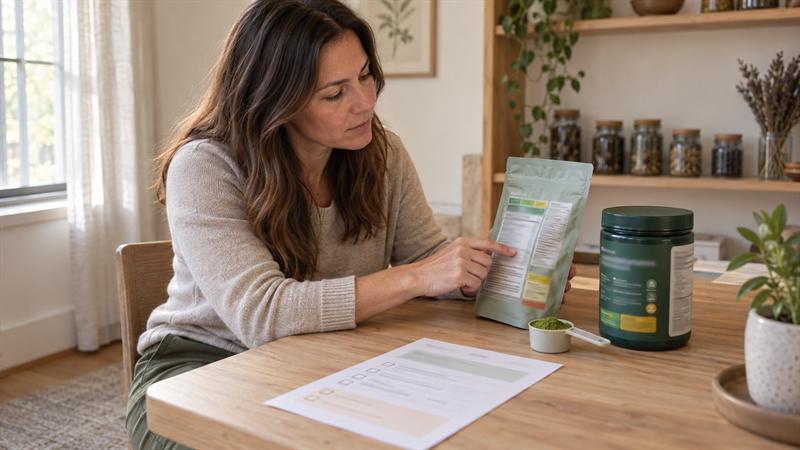
The first two days are better spent setting up than changing everything. Put the products where they will actually be used, not where they will be stored. Read the plan once, end to end, then choose one change to start with. A single change that happens at the same time each day tells you more than five changes that happen whenever you remember them.
This is also the moment for practical scheduling. Visits are scheduled Monday through Saturday, by appointment only, which is worth knowing if a follow-up needs to be booked rather than assumed. If a check-in is part of the plan, put it on the calendar now, while the reasons for it are fresh. Waiting until the routine wobbles usually means the check-in happens later than it should, or not at all.
Wellness Consultation Next Steps: The First Week
The wellness consultation next steps that matter most in the first week are smaller than they sound. Take the products as directed, keep the timing as consistent as the week allows, and notice what happens without grading it. One change at a time is easier to read than five at once, because when five things shift together there is no way to tell which one made the difference.
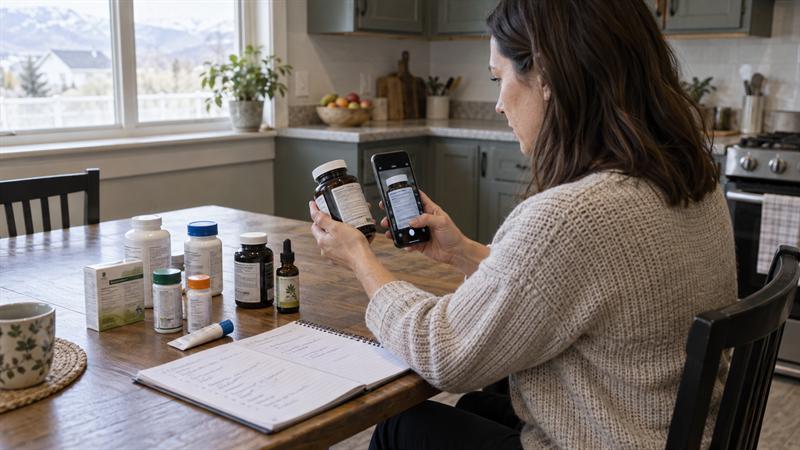
Keep a short record, not a detailed journal. A sentence a day is enough: what you took, when you took it, and anything that felt different. That record turns a vague impression into something a follow-up conversation can actually use. If a product is easy to forget at a particular time, move it to a time you already remember rather than deciding the routine has failed. A plan that bends around your day is more likely to still be running in a month.
What to Expect After Nutrition Consultation: Weeks Two Through Four
When people ask what to expect after nutrition consultation, the answer usually comes down to whether the plan survives an ordinary week. By the second week the novelty has worn off, which is when a routine shows whether it was built for your actual schedule or for an ideal one. Some habits will feel automatic by now. Others will still need a reminder, and that is normal rather than a sign that something is wrong.
Expect friction, and read it as information. A supplement that is hard to take at breakfast may fit better at lunch. A meal change that works on weekdays may need a simpler version on weekends. Building a supplement routine by goal is a useful companion here, because it groups products by the outcome they are meant to support rather than by the order they were recommended. Keep what is repeatable. Simplify what is not. A routine you can describe in one sentence is easier to keep than one that needs a chart.
When to Ask for an Adjustment
A plan is not a contract, and following one past the point where it fits is not diligence. The clearest signal that an adjustment is due is a recommendation you have quietly stopped following. That is worth a conversation rather than a round of self-criticism.
Other signals are easier to name: a product that does not agree with you, a routine that only works on calm days, a goal that has changed since the appointment, or a new prescription, diagnosis, or piece of advice from another provider. Mention the new advice to both the practice and the other provider. Ongoing support is described as monitoring progress and adjusting the plan as needed, which assumes someone will say what is actually happening. Natural wellness products are not a substitute for medical care, so a new or worsening symptom belongs with the clinician who manages it.
What Ongoing Support Looks Like
Support after a consultation is usually a mix of scheduled check-ins and questions raised when something changes. The exact format and timing are worth confirming with the practice, since they depend on the plan and the person. What matters is that the route exists before you need it, whether that is a follow-up appointment or a question sent between visits.
The aim is not to depend on constant guidance. It is to have somewhere to take a question before it becomes a reason to abandon the routine. Between check-ins, three habits keep a plan alive: keep the products where you use them, keep the plan where you can find it, and keep the note about what changed. Those small pieces of housekeeping do more for consistency than another round of research.
Conclusion: A Plan You Can Keep
A consultation produces a plan; the weeks after produce the routine. The distance between the two is usually unglamorous: a bottle moved to the counter, a reminder set for the same time each day, a follow-up booked before the schedule fills, a note kept long enough to be useful. None of it feels like a transformation while it is happening, which is exactly why it works.
If you are in Mapleton, Lindon, or elsewhere in Utah County and want help turning a set of recommendations into something that fits your week, schedule a free consultation with The Herb Works Inc. Bring the plan you already have, the products you are actually using, and the questions that came up after the last appointment.
Key Takeaways
- A wellness plan is a working document, reviewed against real weeks rather than followed perfectly.
- The first 48 hours are for setup and one first change, not a full overhaul.
- Confirm how the plan will be shared, what follow-up looks like, and how to report back.
- Weeks two through four reveal friction points; read them as adjustments rather than failures.
- Ongoing support works better when changes and questions are raised early.