Preparing for a nutrition consultation starts with recording what you already do, not changing your habits to make a better impression. Product details and a few practical notes give the conversation a useful starting point.
The Herb Works Inc. offers nutrition consultations, supplements, herbal remedies, and personalized wellness plans. Whether you are considering a free first consultation or preparing for an appointment, use this checklist to organize your information. Follow any appointment-specific instructions first.
What to Bring to a Nutrition Consultation: The Quick Checklist
Bring information that shows what you use, what you want help with, and how your days actually work. Start with the essentials below. Detailed food logs and medical records are not needed for every nutrition consultation; include them when requested or clearly relevant to the appointment.
- Current medications and wellness products: Include names, amounts used, frequency, and relevant recent changes.
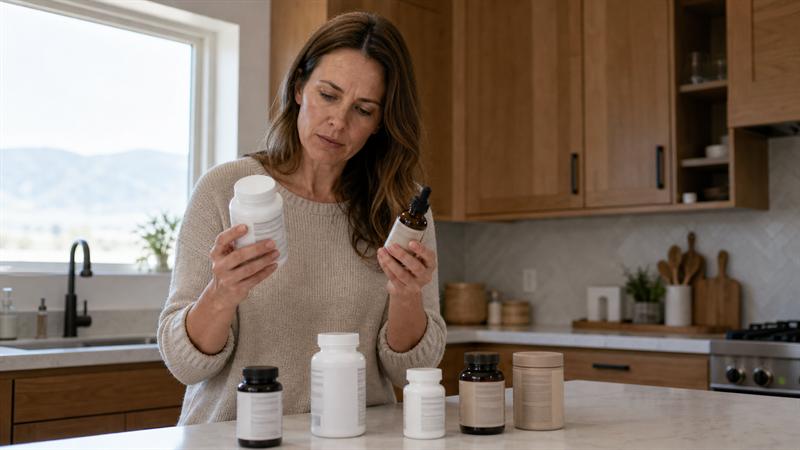
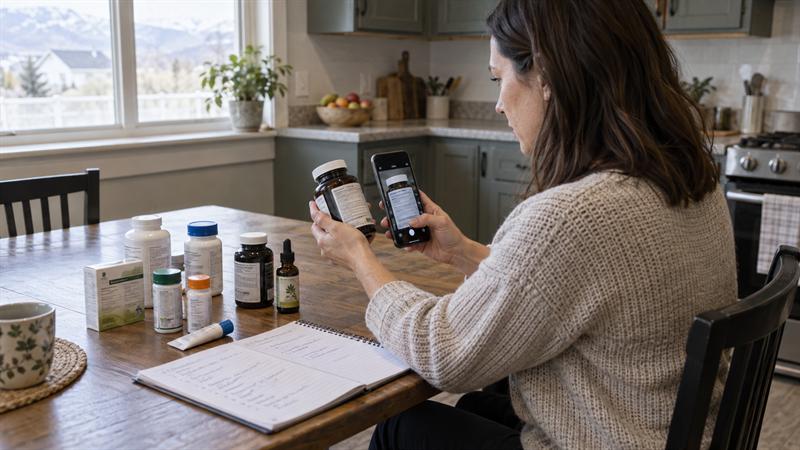
- Containers or readable label photos: Capture ingredients, serving size, directions, and warnings.
- One to three goals: Write down your main questions or priorities.
- A typical-day outline: Note meals, work hours, cooking access, and other practical constraints.
- Questions about the service: Include qualifications, scope, costs, and follow-up.
- Requested paperwork: Bring intake forms and existing records specified in your appointment instructions.
Gather Your Current Products and Their Labels
A useful product list explains both what is in the container and how you use it. The product name alone does not show how much you take, how often you take it, or which formulation you have.
Record What You Actually Take or Use
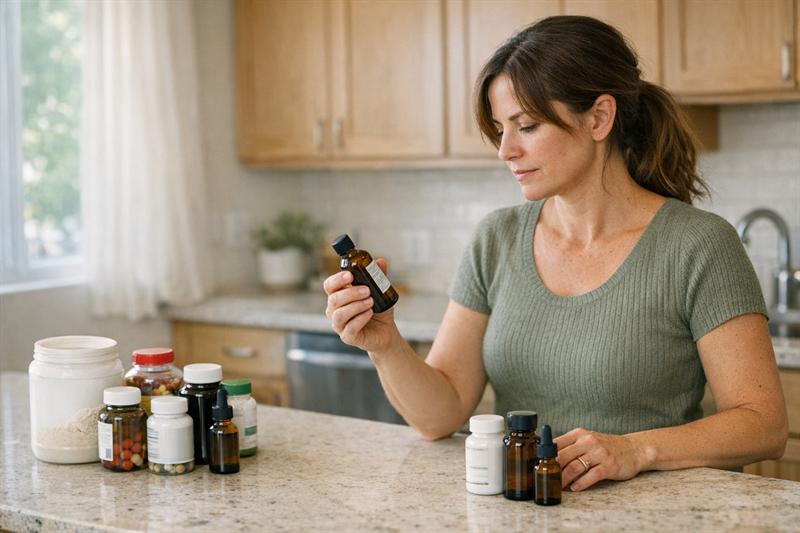
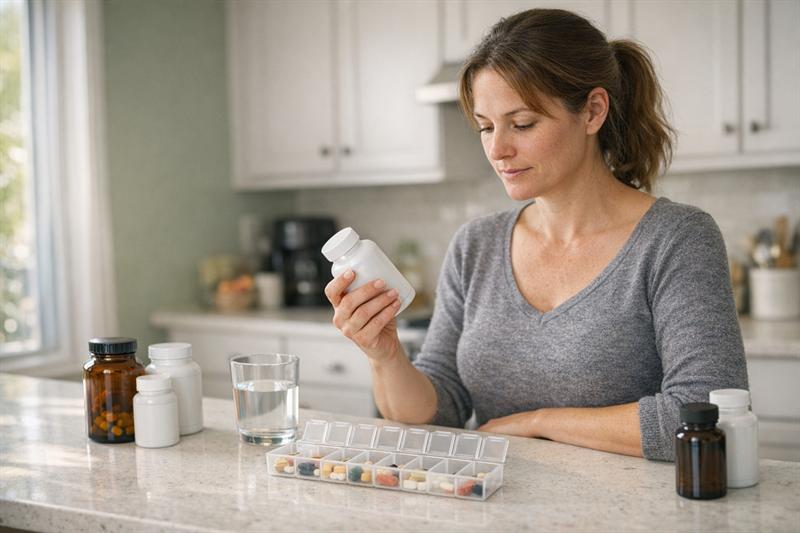
List prescription medicines, over-the-counter medicines, supplements, herbal remedies, and occasional products. Include relevant items you recently stopped, rather than only what you take every morning.
- Product name and strength, if known.
- Actual amount and frequency of use.
- Reason you started using it.
- Relevant changes, including stopping or restarting.
For example, a useful entry could read: “Multivitamin, label photo attached, used with breakfast on weekdays, started to support my diet; amount per use still to be confirmed.” This shows both useful information and a gap to note before the appointment.
Copying label directions instead of recording actual use can create an inaccurate picture when the two differ. Keep both details available. If you use essential oils, note how you use them, without treating them as foods or assuming they are safe to swallow.
If your list feels difficult to manage, a guide to simplifying your supplement routine can give you background for the conversation. Do not stop or change supplements or prescribed treatment simply to prepare.
Photograph the Information That Identifies Each Product
Photograph more than the front label. Clear images should show:
- The full product name.
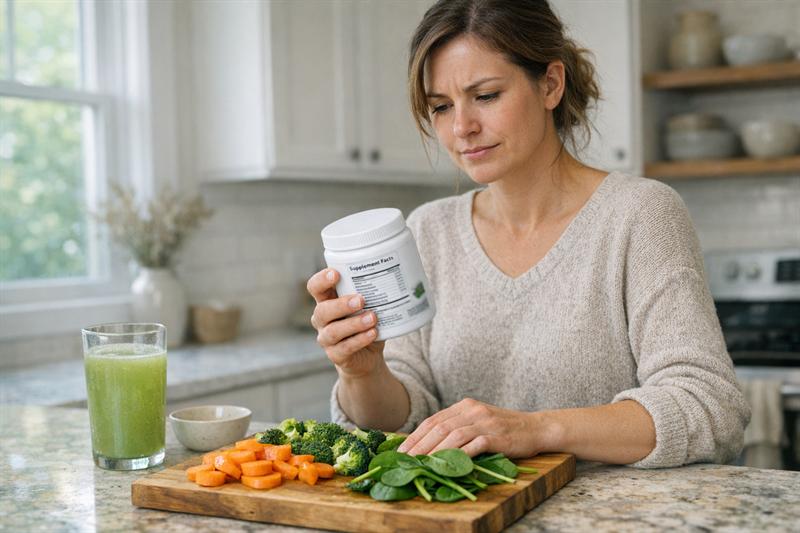
- The Supplement Facts or ingredient panel.
- Serving size and directions.
- Warnings and other relevant instructions.
A recognizable brand name does not identify every formulation sold under that brand. Photograph each product separately, and remember that the labeled serving size is not necessarily the amount you use. Check that the small print is readable before saving the images.
Write Down Your Goals and Everyday Routine
Choose priorities that describe what you want help understanding, then connect them to an ordinary day. Your goals do not need to involve weight management or a target number.
Choose One to Three Priorities for the Conversation
Use these prompts to decide where the conversation should begin:
- What part of eating or using wellness products feels confusing?
- Which habit is hardest to maintain?
- What would make your routine more manageable?
For example, “I want a breakfast routine that works before an early shift” gives more direction than “I want to eat better.” If products are part of your questions, read about building a supplement routine around your goals. You do not need to begin a new regimen before discussing those goals.
Note Your Schedule, Preferences, and Practical Limits
Record the conditions a routine must fit: work hours, meal timing, food preferences, budget, caregiving, shopping, and cooking access. Include sleep and activity patterns where relevant.
Notes about an ideal day can hide the obstacles that need attention. For someone working rotating shifts, a fixed breakfast time may not be practical. If a habit repeatedly breaks down around a shift change, record that pattern so the discussion addresses the scheduling problem.
Ask Which Health Details and Records Are Needed
Gather relevant health information, but do not assume preparation requires new testing or a complete medical file. Different providers have different roles, and wellness guidance is separate from medical care.
Share Relevant Conditions, Allergies, and Care Instructions
Note information that affects food or product discussions:
- Relevant diagnosed conditions and allergies.
- Pregnancy or breastfeeding, where applicable.
- Existing dietary or treatment instructions from a clinician.
- Medication details not already included in your product list.
Medication changes and medical concerns require guidance from the appropriate licensed clinician or pharmacist. Share sensitive records through the provider’s designated process, not public website comments.
Treat Food Logs and Existing Reports as Provider-Dependent
A brief outline of usual meals is different from a formal food diary. Follow any requested format, but do not assume calorie counts or several days of tracking are necessary.
Existing reports can support the discussion when relevant and within the provider’s scope. Do not schedule laboratory tests simply to complete a preparation checklist.
Make unresolved questions the focus of your consultation. Give these issues priority if they describe your situation:
- You cannot explain why several products are in your routine.
- Your list does not match what you actually take.
- Your goals do not account for your schedule or budget.
These are reasons to organize and review your current routine before adding to it. Gather the missing details and bring these specific questions to your nutrition consultation.
Prepare Questions About Advice, Costs, and Follow-Up
Separate questions about the consultation itself from questions about products, written plans, and ongoing support. A free first appointment does not always define what is included.
- What qualifications does the person leading the consultation hold?
- What guidance is within the service’s scope?
- What does the free first consultation include?
- Is a written wellness plan included or separately priced?
- Are recommended products sold by the business, and what alternatives are available?
- Which purchases are optional?
- What do follow-up appointments or plan updates cost?
- How should recommendations be coordinated with existing medical care?
For a consultation with The Herb Works Inc., keep three subjects connected: what you already use, what you want help with, and what your routine can support. Because the business offers both consultations and wellness products, questions about product alternatives, budget, and plan maintenance belong in the conversation. A recommendation and a purchase are separate decisions.
What Not to Change Before Your Appointment
Describe your usual routine rather than creating a different one for the appointment. A temporary preparation week can obscure the habits you want help understanding.
- No need to start new supplements: Bring questions about them instead.
- No need to restrict foods or stage an unusually “healthy” week: Describe your usual meals honestly.
- No need to fast for a routine conversation: Separate clinical tests or procedures may have specific instructions.
Do not change prescribed treatment to prepare without the prescriber’s guidance. If your routine changes before the appointment, update your notes; each unrecorded addition or change makes the list less accurate.
Frequently Asked Questions About Preparing for a Nutrition Consultation
Do I Need to Keep a Food Diary Before a Nutrition Consultation?
Not necessarily. A formal food diary is different from a brief outline of your usual meals and meal timing. If no detailed record has been requested, notes about an ordinary day help describe your routine without turning preparation into calorie counting or an attempt to eat differently beforehand.
Can I Bring Photos of My Supplements Instead of the Bottles?
Readable photos can provide useful product information, although some providers request the containers. Include the product name, Supplement Facts or ingredient panel, serving size, directions, and warnings. A front-label photo alone may not show enough detail to identify the formulation or understand its labeled use.
What If I Do Not Have All My Records or Know Every Dose?
Bring the information you have and mark uncertain details rather than guessing. For example, if you know the product name but not its strength, record that distinction. Missing information can limit specific recommendations, but an honest record separates what is known from what still needs clarification.
Do I Need to Fast Before a Nutrition Consultation?
A routine nutrition discussion generally does not require fasting. Separate tests or procedures may have their own preparation instructions. Any fasting requirement relates to a particular clinical test or procedure, not simply to an appointment about food or nutrition.
Does a Free First Nutrition Consultation Include a Wellness Plan or Products?
Not always. A free first consultation may not include a written wellness plan, products, or follow-up appointments. Those are distinct parts of the offering, and the specific terms determine which services or items are included and which carry separate costs.
Key Takeaways
- Gather current product details and readable labels, including actual use.
- Choose a few priorities rather than trying to address everything at once.
- Describe an ordinary day, including schedule and budget constraints.
- Review requested paperwork and consultation terms without buying products or changing treatment to prepare.
Conclusion: Bring a Useful Snapshot, Not a Perfect Routine
Bring your preparation questions to the free first nutrition consultation at The Herb Works Inc. Incomplete product lists and unrealistic schedules leave gaps in the discussion; clear labels, actual-use details, and practical goals give the nutrition and wellness conversation a stronger starting point.
Gather your list, label photos, and top questions, then contact The Herb Works Inc. to clarify the consultation’s inclusions and required materials. For an overview of the appointment itself, read what to expect from a nutrition consultation.