Quick Answer: Most beginners struggle with essential oils because they start by buying products before learning how to use them well. Essential oils work best as simple, supportive tools within a broader wellness routine, not as quick fixes or standalone solutions.
Why Essential Oils Are So Popular in Natural Wellness
Essential oils are a common entry point into natural wellness, but confusion around them is just as common. Many beginners hear about benefits like relaxation or better sleep and immediately buy multiple oils without a clear plan for using them.
That is often where problems start. Without a basic structure, people tend to overuse oils, use them inconsistently, or stop altogether because the experience feels unclear.
At The Herb Works Inc., essential oils are best viewed as one part of a broader wellness approach. When they’re used alongside nutrition, lifestyle habits, and targeted support, they’re often easier to use consistently and with more confidence.
What Essential Oils Actually Are
Essential oils are concentrated plant extracts made through distillation or cold pressing. That concentration gives them their strong aroma and many of the qualities people use them for.
A common misunderstanding is assuming “natural” means mild. In practice, essential oils are potent, which is why proper use matters from the beginning.
How They Fit Into a Wellness Routine
Essential oils are typically used to support areas like relaxation, mood, or environmental comfort. They are not meant to replace nutrition, supplementation, or a well-rounded wellness routine.
This becomes especially clear when oils are used on their own for ongoing concerns. A more structured approach, such as building a daily supplement routine, can create a steadier foundation.
How Essential Oils Work (In Simple Terms)
Essential oils are commonly used through scent and skin application. Their effects are usually subtle, and consistency matters more than intensity.
One of the most common mistakes is expecting fast, dramatic changes. That often leads to overuse, which can create irritation or frustration instead of a better experience.
Aromatherapy and the Sensory Experience
When inhaled, essential oils interact with the body through scent. Certain aromas are widely associated with relaxation, focus, or alertness.
That is one reason diffusing is often the simplest place to start. It allows for regular use without adding much complexity.
Topical Use and Absorption
Essential oils can be applied to the skin, but this is also where beginners tend to make mistakes. Applying oils without dilution is a common issue and can lead to irritation.
Proper dilution is a basic safety practice, not an optional step.
Essential Oil Safety Basics Every Beginner Should Know
Safety is where many beginners run into problems, usually because the guidance they find is incomplete or unclear.
Repeated misuse can increase sensitivity over time, which is one reason some people stop using oils altogether.
Dilution and Carrier Oils
Carrier oils like coconut or jojoba are used to dilute essential oils before skin application. This helps reduce the chance of irritation and allows for more even use.
Using too much oil too quickly is a common beginner mistake. Starting with small, diluted amounts is usually easier to manage and more comfortable.
When to Avoid Certain Oils
- Sensitive or irritated skin
- Use around young children
- Pregnancy or specific health concerns
- Application near the eyes or other delicate areas
Paying attention to these situations helps reduce avoidable reactions.
Common Mistakes Beginners Make
- Using oils without dilution
- Applying them too frequently
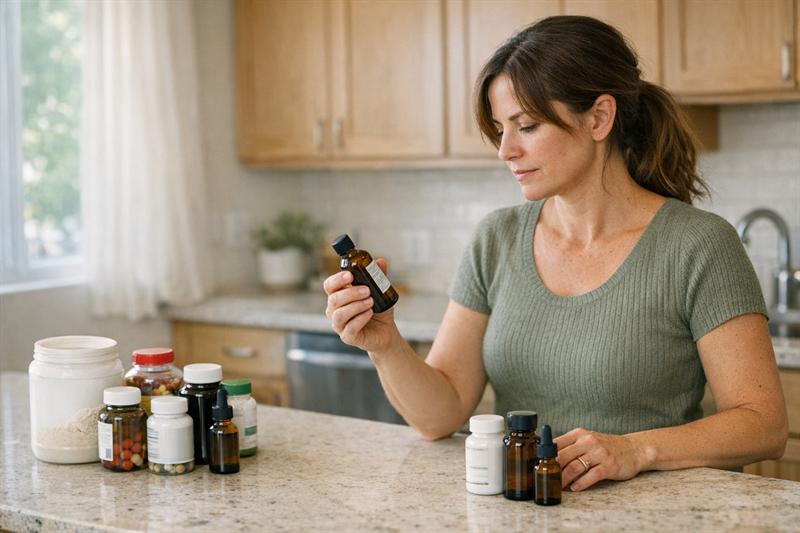
- Buying too many oils at once
- Expecting fast or dramatic results
These habits often lead to frustration or inconsistent use.
The Best Essential Oils for Beginners
Starting with a small, focused set works better than trying to cover every possible use at once. Simplicity makes it easier to build a routine that actually sticks.
Core Starter Oils and Their Uses
- Lavender: commonly used for relaxation and evening routines
- Peppermint: often used for alertness and a refreshed feeling
- Lemon: used to freshen spaces and create an uplifting atmosphere
- Tea Tree: often included in basic topical routines when properly diluted
These oils are widely used because they are versatile and straightforward for beginners.
How to Choose High-Quality Oils
Quality is one of the most overlooked factors. Many beginners unknowingly buy diluted or synthetic products, which can lead to a disappointing experience.
When quality is low, the product often does not match expectations. Learning what to look for can help you make better choices. A practical starting point is understanding how to identify authentic essential oils.
Simple Ways to Start Using Essential Oils
Simple routines are usually the ones that last. Overcomplicating the process often leads to inconsistency.
Diffusing at Home
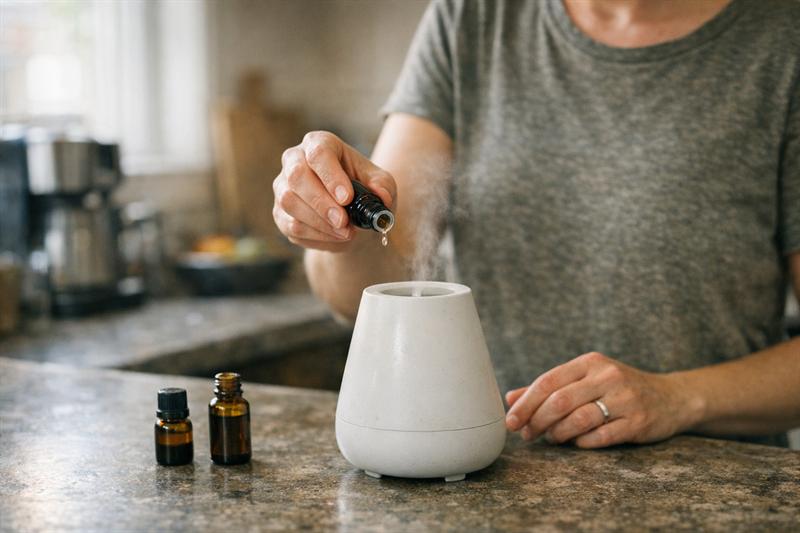
Diffusing is one of the easiest ways to start. It requires minimal setup and helps create a consistent sensory environment.
It is also a practical entry point because it avoids many of the issues tied to improper topical use.
Topical Application
Topical use should always include dilution. Applying oils to areas like the wrists or neck is common, but using more oil does not improve the experience.
Overuse is one of the fastest ways to create sensitivity.
Blending Basics
Blending can be useful, but beginners often make it more complicated than it needs to be. Starting with one or two oils makes it easier to understand what you actually enjoy and use consistently.
Simple combinations are easier to adjust and maintain.
How Essential Oils Fit Into a Broader Wellness Plan
Essential oils work best as part of a larger system. On their own, they can offer support. When paired with nutrition and other healthy habits, the overall routine often feels more consistent.
That is why it helps to see oils as one tool rather than the whole plan. Resources like how to choose high-quality supplements can help you build a stronger foundation.
When Oils Help vs When You Need More Support
For occasional stress or environmental discomfort, essential oils can be a practical option.
For concerns that keep coming back or do not seem to improve, oils may not be enough on their own. In those situations, it often helps to step back and look at the bigger picture of your routine.
Combining Oils with Nutrition and Herbal Remedies
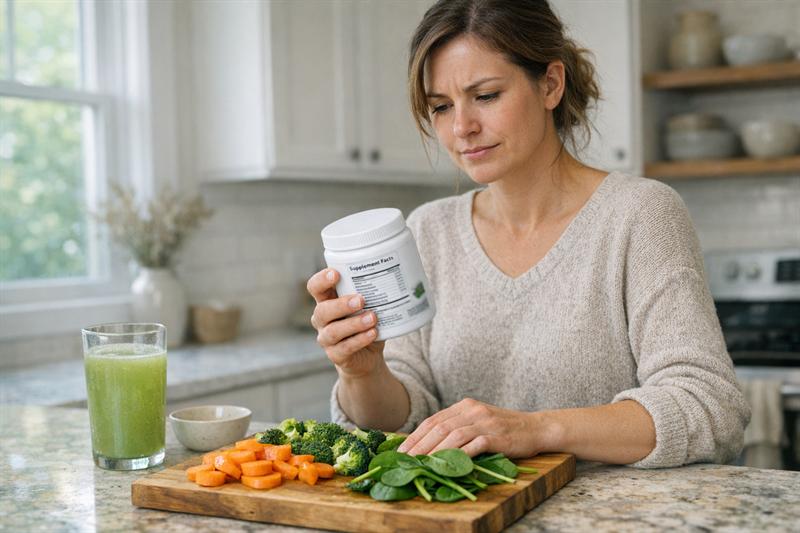
Combining essential oils with nutrition and herbal remedies can create a more complete approach. Oils may support the immediate experience, while nutrition and supplements help support the broader routine.
That kind of combination is often easier to sustain over time.
When to Get Personalized Guidance
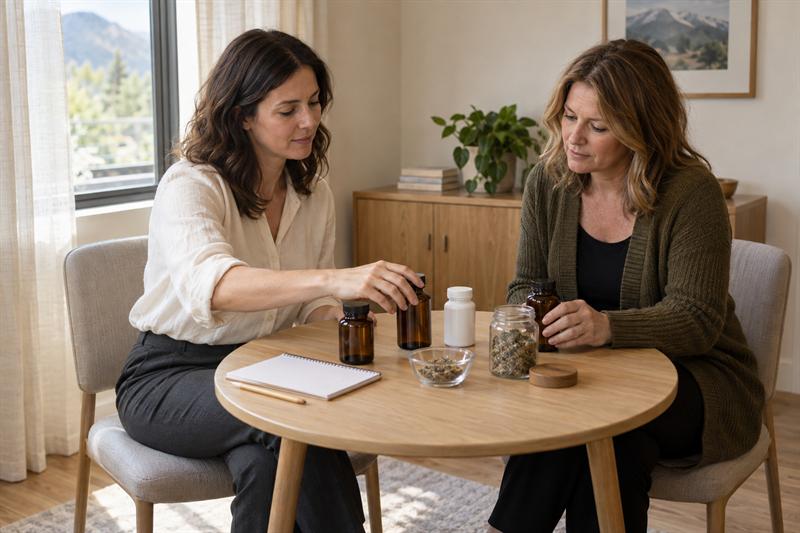
If you’ve tried multiple oils but the results feel inconsistent, there may be a missing piece in your routine.
If any of the following sound familiar, it may be time to move beyond trial and error:
- You’ve tried several oils with mixed or unclear results
- You’re unsure how to combine oils with supplements or nutrition
- You’re dealing with ongoing concerns that are not improving
- You feel overwhelmed by conflicting advice
At that stage, a more structured plan can be more helpful than guessing.
Conclusion
The core issue for most beginners is not the oils themselves. It is starting without a clear system, which can lead to misuse, inconsistent results, and frustration.
When that continues, people often either overuse oils or stop using them entirely. Both outcomes usually come back to a lack of direction.
The Herb Works Inc. approaches this by connecting essential oils with nutrition, herbal remedies, and personalized wellness support. Instead of trying to piece everything together on your own, you can follow a clearer path that fits your routine and goals.
If you’re still guessing, this is often the point where structured guidance becomes useful.
Key Takeaways
- Essential oils are supportive tools, not complete solutions
- Safety and dilution are the most common problem areas for beginners
- Starting simple improves consistency
- Oil quality directly affects your experience
- Essential oils often work best as part of a broader wellness plan
FAQs
What are essential oils used for?
Essential oils are commonly used to support relaxation, mood, and everyday routines. Most people use them through diffusing or diluted topical application. Focusing on one clear use makes them easier to apply consistently.
Are essential oils safe for beginners?
They are generally beginner-friendly when used correctly and with proper dilution. Most issues come from overuse or applying oils directly to the skin. Following basic safety practices helps prevent common problems.
How do you use essential oils at home?
The most common methods are diffusing and diluted topical use. These approaches are simple and practical for beginners. Starting with a diffuser keeps the process straightforward.
What are the best essential oils to start with?
Lavender, peppermint, lemon, and tea tree are widely used because they are versatile and easy to understand. A small set is usually easier to manage than a large collection.
Do essential oils really work?
They can support areas like relaxation and atmosphere, but the effects are usually subtle. They tend to work best when used consistently and as part of a broader wellness routine.
When should you consider professional guidance?
If results are inconsistent or concerns continue, it may be time for a broader plan. Personalized guidance can help you connect essential oils with nutrition, lifestyle, and a more practical routine.